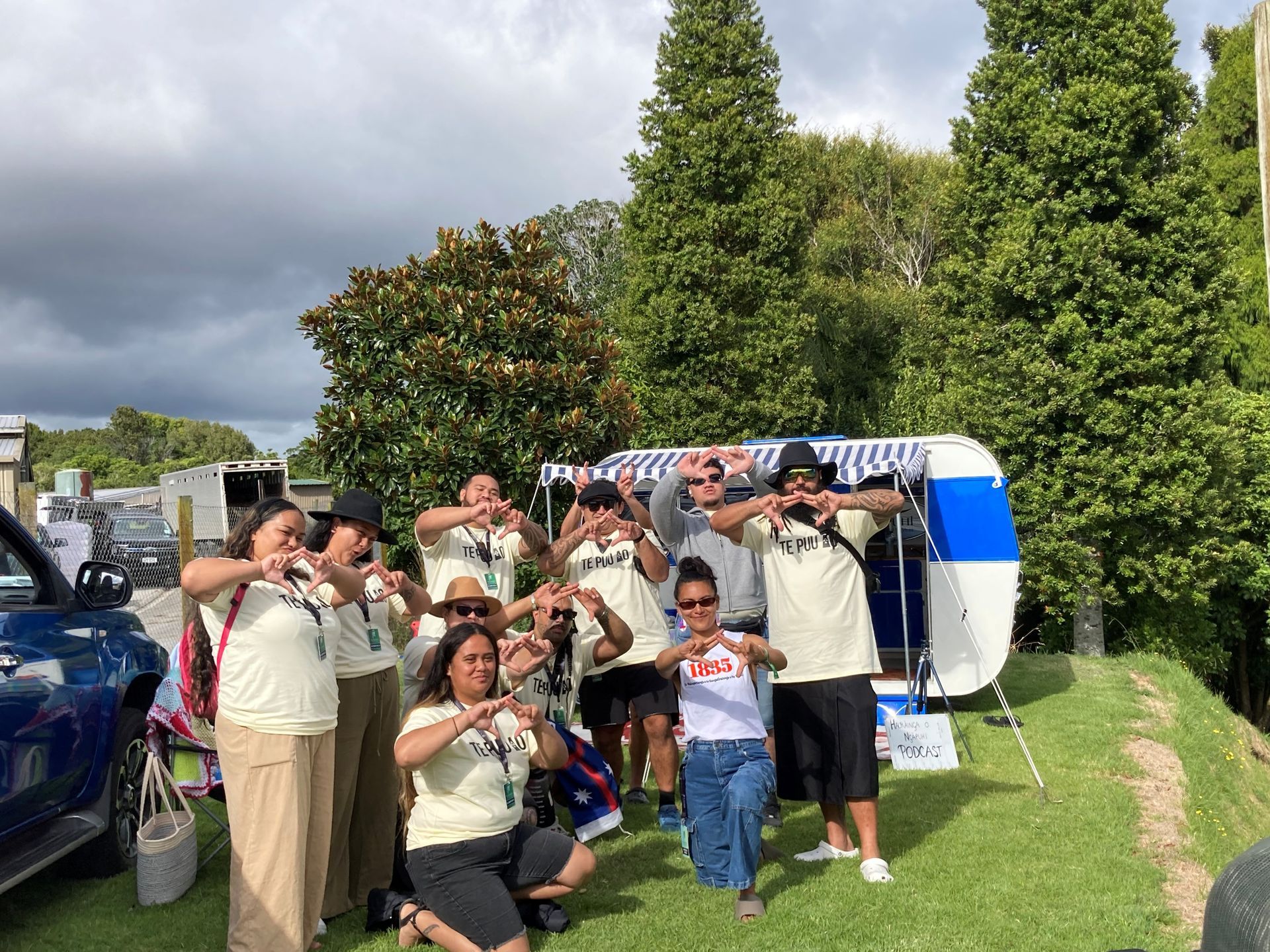
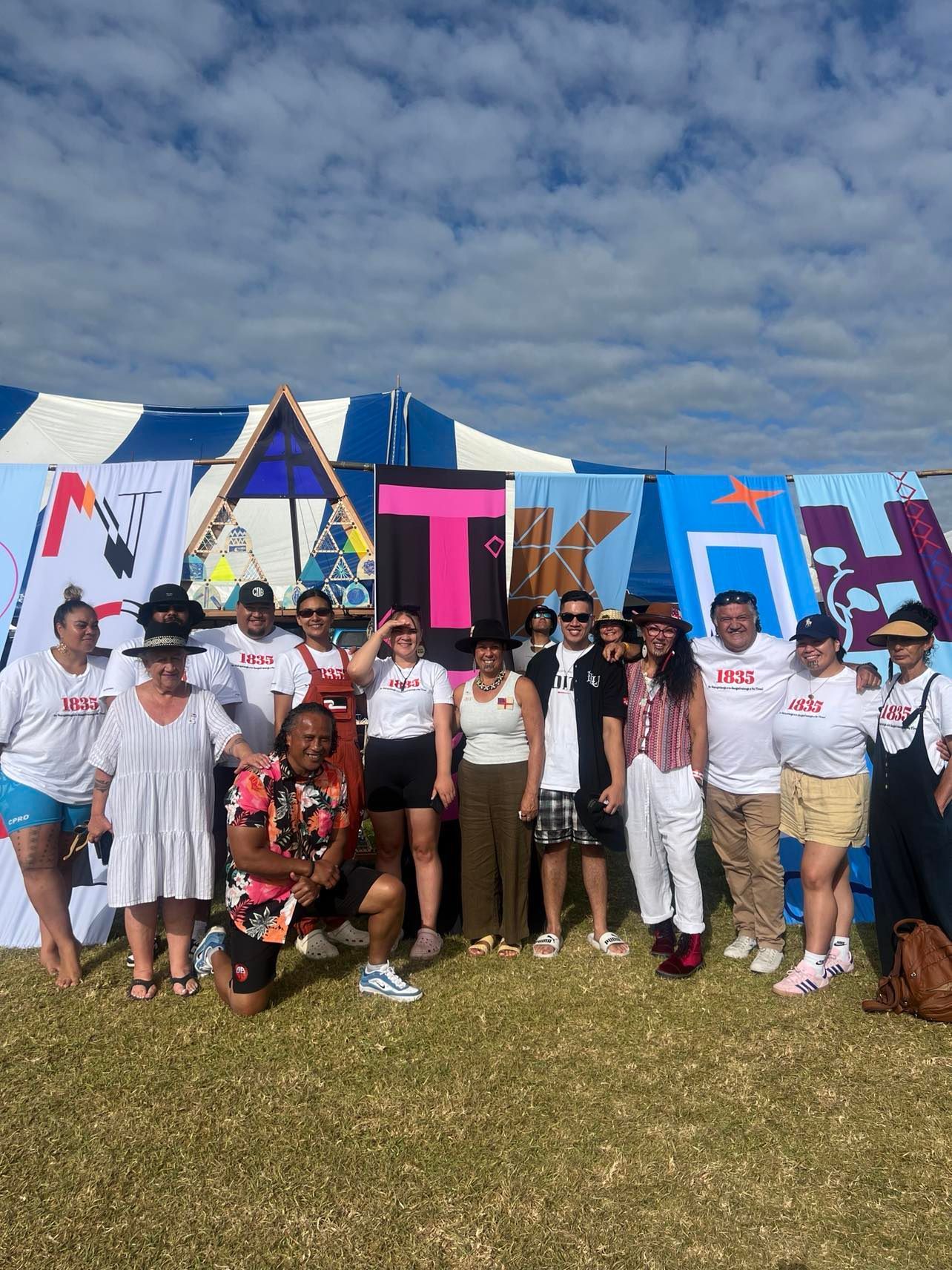
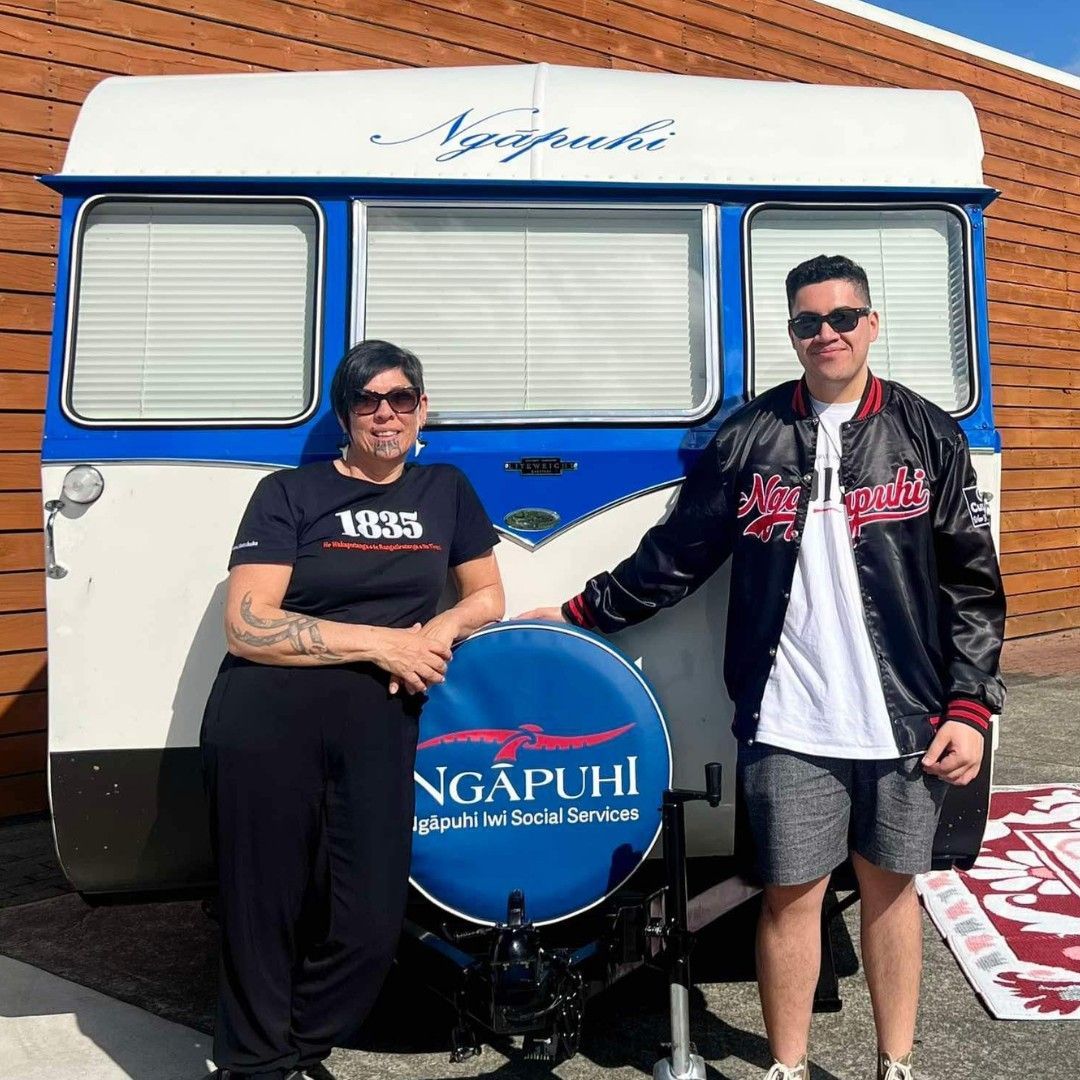
On Waitangi Day, one of the largest crowds in the Forum Tent gathered to hear from a group often spoken about, yet not always heard from. Our taitamariki.
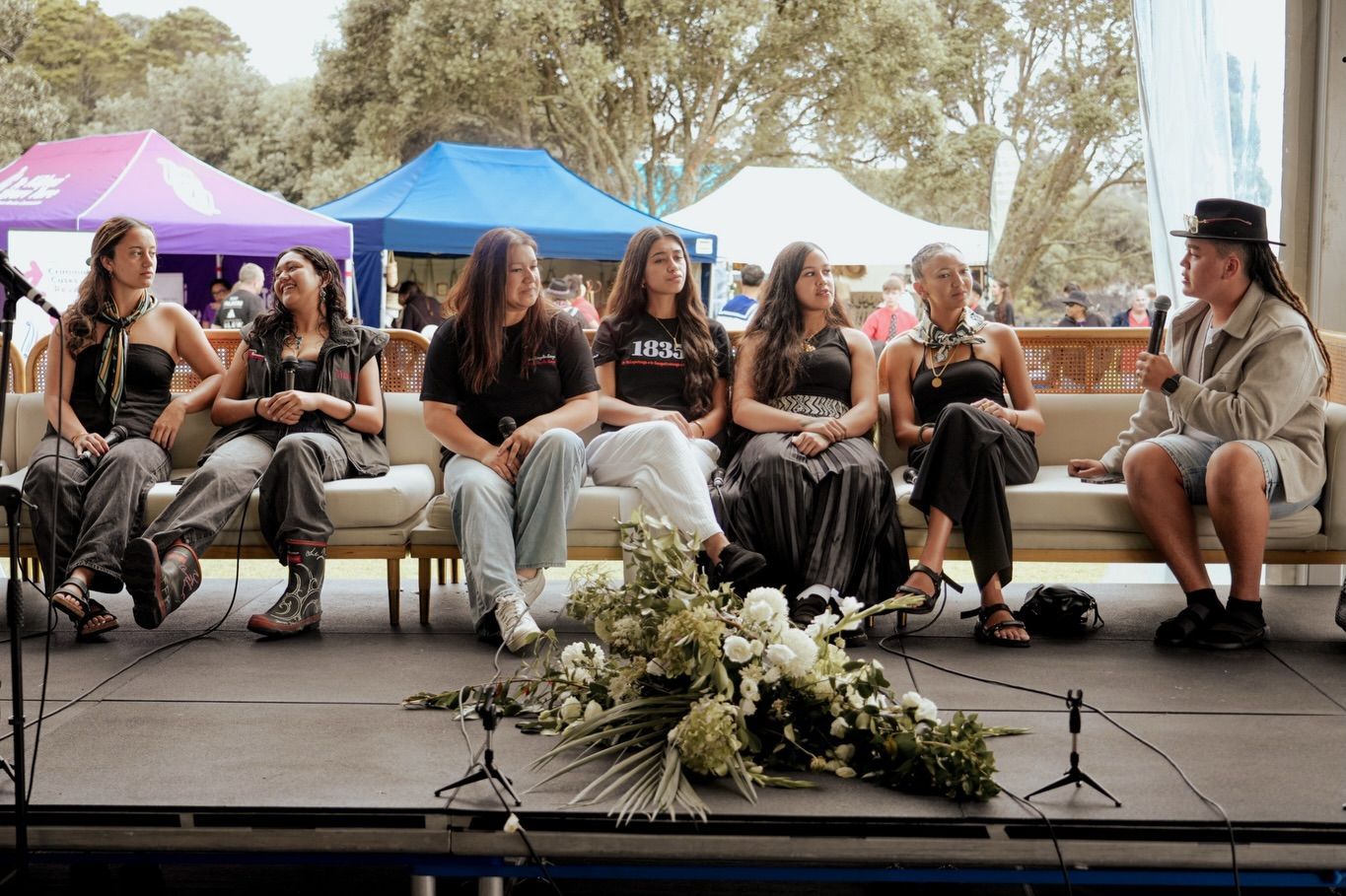
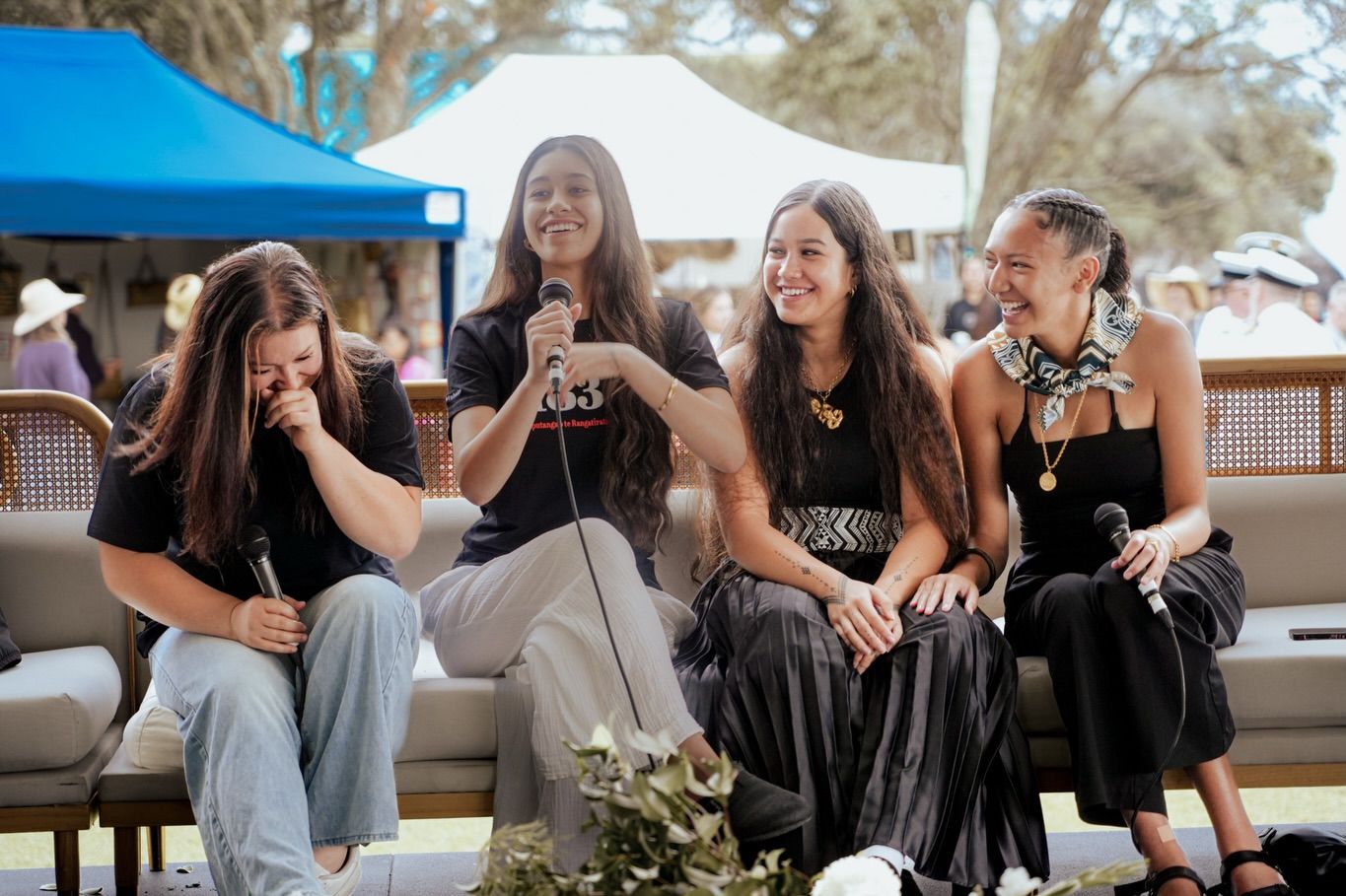
Through a collaboration between Ngāpuhi Iwi Social Services and Mana Mokopuna – Children’s Commissioner, a panel of young Te Tai Tokerau leaders took the main stage to speak openly about leadership, rangatiratanga and the future they are stepping into now.
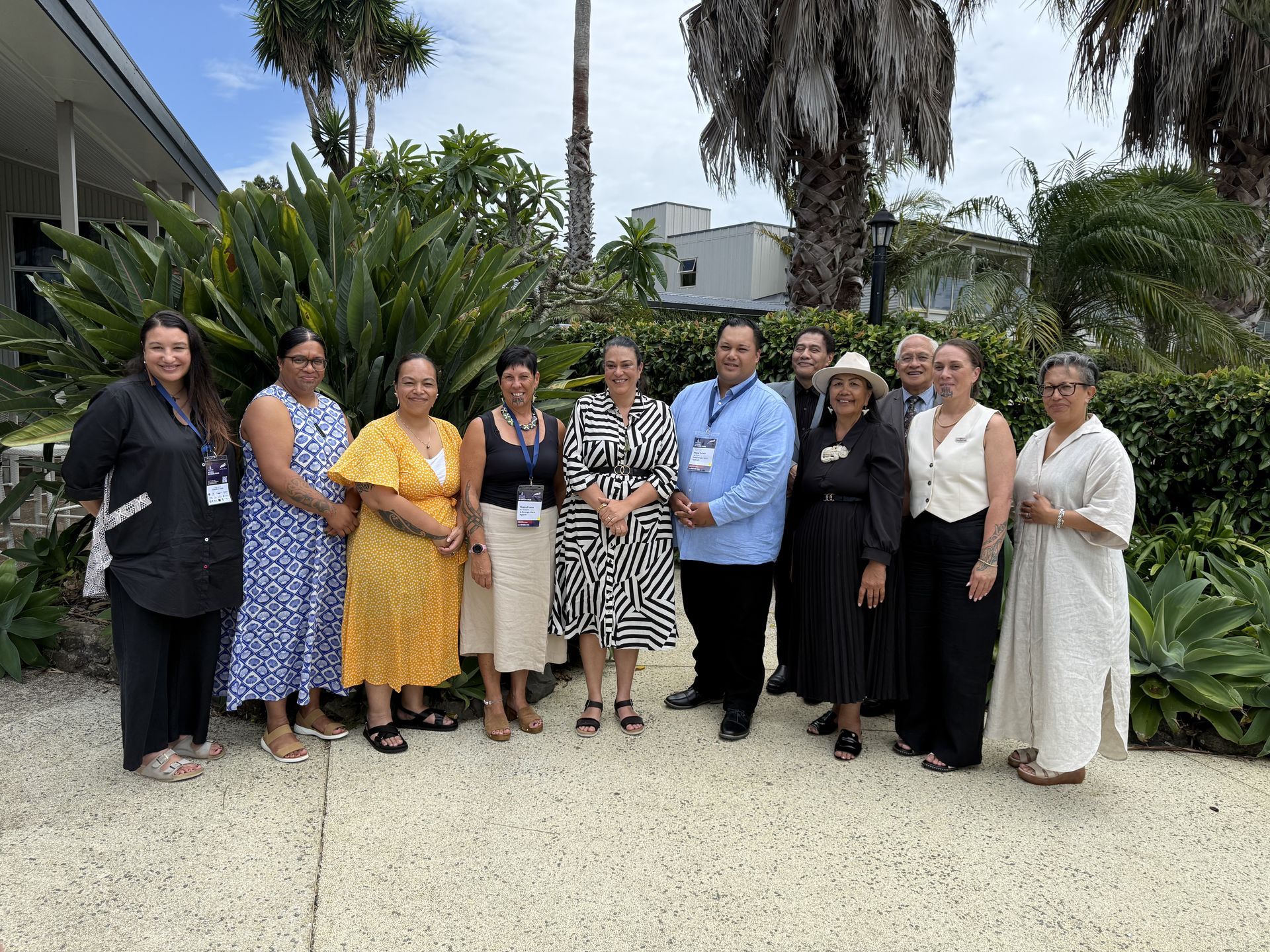
Hosted by Tuhoronuku, the panel brought together Hurike Elliot, Hineteaio Chapman, Chels Reti, Rangimārie Te Whenua, Elyse King and Mihi Te Rauhi Daniels. They were asked to describe youth leadership in their own words, reflect on the differences between leadership today and 50 years ago, and define what makes a good leader.
What followed was direct, honest and deeply considered kōrero.
Mihi described a rangatira as someone measured not by age, but by what they provide for their people. Leadership, she said, is about contribution. It’s about how you show up for others and grow into the best version of yourself in service to your community.
Others reflected on the tension between generations. While acknowledging the leadership of those who came before them, they expressed a desire to lead alongside their kaumātua in a world that has changed significantly. The past cannot be judged by today’s standards, they noted, and the present cannot be led by yesterday’s realities alone.
The familiar saying “Ngā rangatahi ngā rangatira mō āpōpō” was also challenged. Several panelists shared their frustration with the idea that leadership is always positioned in the future.
“When is tomorrow?” they asked.
Elyse reflected that whether someone is seen as rangatahi or rangatira often depends on perspective. In some spaces she is viewed as rangatahi. In others she is expected to lead. The distinction, she suggested, is not about age, but about who is looking.
Questions from the floor further sharpened the conversation. When asked what behaviours from older generations frustrate them, the response was quick and playful. Rangimārie Te Whenua remarked that sometimes leadership feels like “show ponies”. They expressed concern that there’s more performance than practice, urging a return to mahi over image.
More seriously, the panel was asked by Dr Moana Eruera, how they would bring along taitamariki who are disconnected from whakapapa, lack access to te reo, or struggle to articulate themselves in public forums. Responses acknowledged the complexity. Some spoke of personal determination and pushing forward regardless of circumstance. Hurike Elliot
emphasised the respect owed to those young people and their parents, recognising that many are simply doing their best within challenging realities.
The kōrero widened to consider whānau, not just individuals. If young people are to step forward, how do communities ensure the environments they return to are also strengthened?
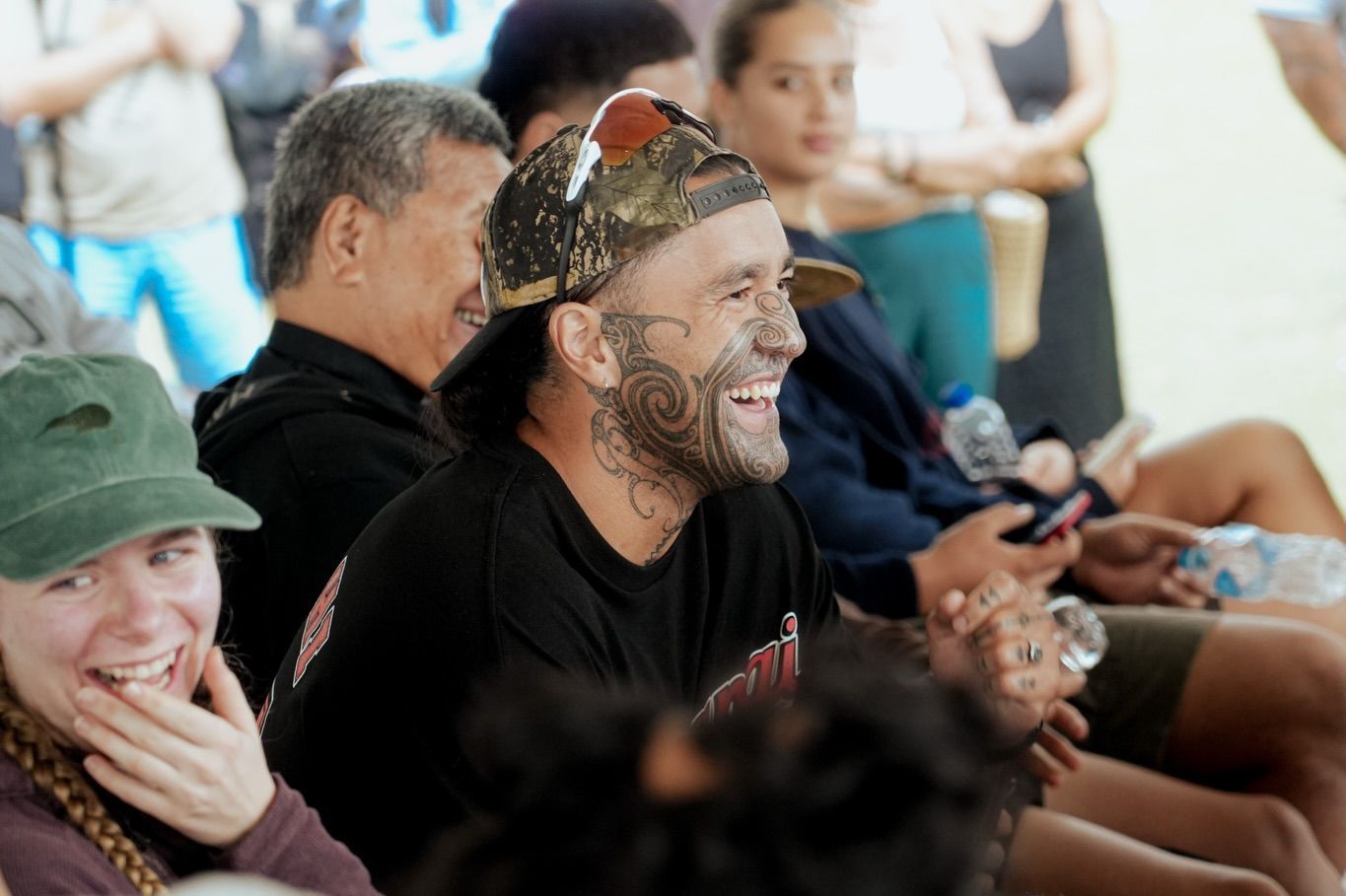
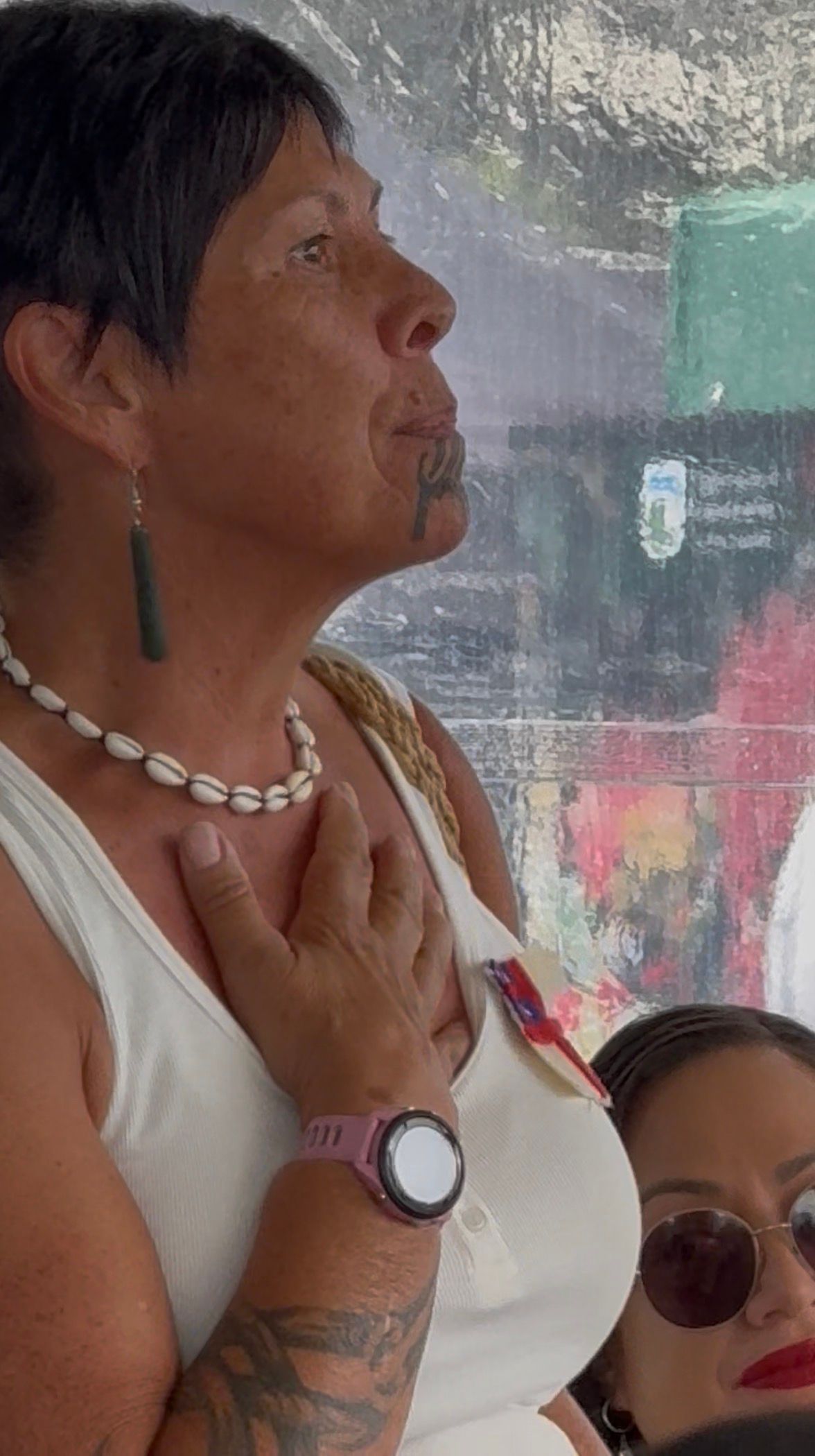
Throughout the discussion, the crowd was receptive and engaged. Seats filled quickly, with many standing along the sides and outside the tent to listen in. The appetite to hear from taitamariki was unmistakable.
The panel did more than answer questions about leadership. It demonstrated that this generation is already thinking critically, holding nuance, and speaking with clarity grounded in aroha. If Waitangi is a space to reflect on the state of the nation and the relationship between peoples, then making room for taitamariki voices is not symbolic, it is essential.
And while the panelists did suggest a slightly later start time next year, they made one thing clear, they are not waiting for tomorrow, they are here now.is paragraph text. Click it or hit the Manage Text button to change the font, color, size, format, and more. To set up site-wide paragraph and title styles, go to Site Theme.